
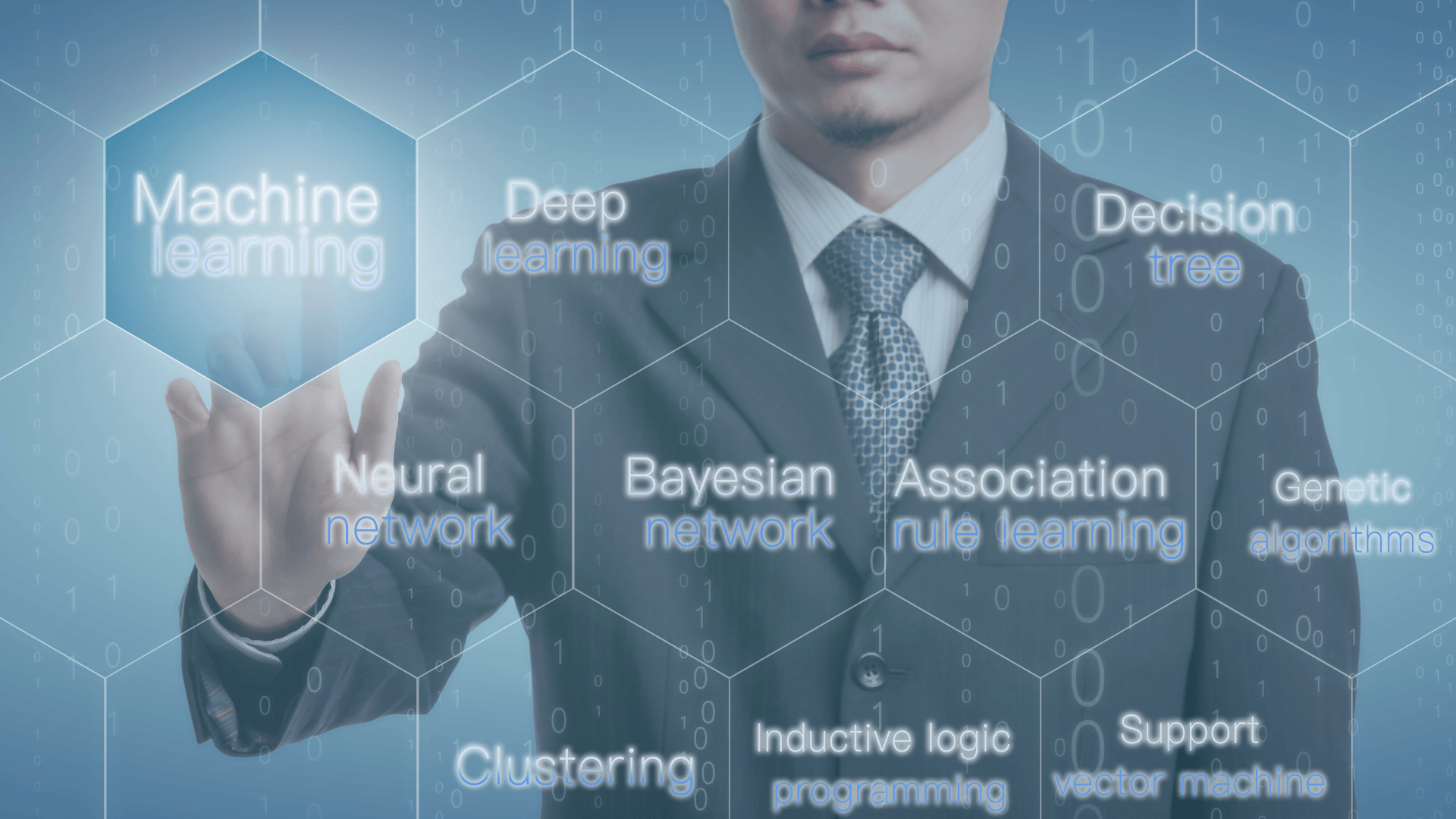
Welcome to the paradox of modern AI: machine learning is both overhyped and underutilized.
Let’s unpack what that really means — and how smart organizations are cutting through the noise to build ML systems that actually deliver business results.
The Hype Cycle: Why Everyone Thinks ML Can Do Everything
We’ve reached a point where “machine learning” is the magic phrase that makes any product sound futuristic. Marketing emails promise AI-powered everything.
Need a better CRM? Add ML.
Need faster customer service? Add ML.
Want more sales? Just sprinkle some ML on it.
The problem isn’t that these tools don’t work — it’s that they’re often oversold and misunderstood.
The Gartner Hype Cycle
Every major technology goes through stages:
- Innovation Trigger – early excitement and experimentation.
- Peak of Inflated Expectations – media hype and exaggerated claims.
- Trough of Disillusionment – failures and frustration set in.
- Slope of Enlightenment – realistic applications emerge.
- Plateau of Productivity – technology becomes standard practice.
Machine learning is currently somewhere between stage 2 and stage 3.
Everyone’s talking about it, but only a fraction are using it effectively — and fewer still are realizing tangible ROI.
The Reality: Most Businesses Aren’t Using ML Effectively
A recent Deloitte survey found that while 79% of companies claim to use AI or ML, only 20% have successfully moved projects into production.
So what’s happening?
Most businesses start ML projects full of enthusiasm but quickly hit roadblocks unclear objectives, bad data, lack of expertise and unrealistic expectations.
Common failure points:
- No clear business problem defined. Teams chase trends instead of goals.
- Poor data quality. ML depends on clean, labeled, and relevant data.
- Lack of infrastructure. You can’t run ML models without scalable cloud or DevOps pipelines.
- Talent gap. Hiring ML engineers without domain expertise leads to disconnected results.
- Proof-of-concept paralysis. Many companies never move past pilot projects.
So while the hype screams “ML can do everything,” the reality is that most organizations haven’t mastered how to operationalize it.
Why Machine Learning Is Overhyped
Let’s be clear — ML is powerful. But it’s not magic. It’s a tool that depends entirely on how it’s applied. Here’s where the overhype comes in.
1. It’s Marketed as Plug-and-Play
Every vendor claims, “No code required. Just add data and get insights.”
In reality, successful ML systems require custom software solutions, data pipelines, validation models and continuous retraining.
You can’t just plug in an API and expect enterprise-grade intelligence.
2. People Confuse Correlation with Understanding
Machine learning finds patterns, not causes.
It can tell you what happens, but not why.
Without context, those patterns can be misleading — especially in sectors like healthcare, finance or logistics where understanding the “why” is crucial.
3. It’s Treated as a Shortcut
Companies often see ML as a quick way to modernize. But automation without insight doesn’t create value — it just moves inefficiency faster.
Real transformation comes from reimagining workflows, not just automating old ones.
4. It’s Overshadowing Simpler (and Often Better) Analytics
In many cases, traditional analytics or rule-based automation could achieve the same results faster and cheaper.
Sometimes, a well-designed custom dashboard does more for business decision-making than a half-baked ML model.
The truth is, ML shouldn’t replace good strategy — it should enhance it.
Why Machine Learning Is Still Underutilized
Here’s the paradox: despite all the overhype, ML remains massively underutilized in real‐world business operations.
Most companies have only scratched the surface of what’s possible because they lack the structure, strategy or expertise to make ML part of their digital transformation journey.
1. Underinvestment in Data Infrastructure
Machine learning thrives on high-quality, accessible data.
But most businesses still store data in silos, spreadsheets, or outdated systems.
Without a unified data strategy — supported by modern cloud services and APIs — ML models can’t scale or stay accurate.
2. Fear of Complexity
Some leaders still think ML is too technical, too expensive, or “only for big tech.”
In reality, with today’s open-source frameworks and cloud platforms like AWS, Azure and Google Cloud AI, ML is more accessible than ever.
What’s missing is a strategy to start small and scale gradually.
3. Lack of Collaboration Between Business and Technical Teams
Too often, data scientists build models in isolation — disconnected from business goals.
The best ML outcomes come when developers, engineers and business leaders collaborate to define success metrics and align the technology with real needs.
4. Ignoring Ethical and Explainable AI
Trust is everything. Without explainability and ethical transparency, companies risk customer backlash and regulatory trouble.
Leaders who focus on responsible ML adoption gain long‐term trust and resilience.
The Companies Getting It Right
Let’s look at how some global companies are using machine learning meaningfully — not just as a marketing buzzword.
1. Netflix — Personalization That Feels Human
Netflix’s ML algorithms analyze viewing patterns to recommend shows. But it’s not just “what you like” — it’s how, when and why you watch.
Their models personalize even the artwork thumbnails shown to you — a detail that’s boosted engagement dramatically.
This isn’t hype. It’s applied machine learning with business value.
2. UPS — Route Optimization at Scale
UPS uses ML and AI to plan delivery routes dynamically.
Their ORION system saves millions of gallons of fuel annually and reduces carbon emissions.
That’s automation done right — ML rooted in operational efficiency, not novelty.
3. Spotify — Data-Driven Creativity
Spotify’s Discover Weekly and Daily Mix playlists use ML to recommend new music. But they’ve balanced algorithmic insights with human curation — creating recommendations that feel surprisingly personal.
Machine learning powers creativity here, not replaces it.
4. Siemens — Predictive Maintenance
In industrial settings, Siemens uses ML to predict equipment failures before they happen. This prevents costly downtime and improves worker safety.
These are custom ML solutions integrated deeply into business processes — not off-the-shelf automation.
5. Zara — Smarter Supply Chains
Fashion brand Zara uses ML to predict trends and manage inventory. Their AI models monitor social media, sales and local weather to forecast demand.
As a result, they’ve cut waste, increased efficiency and improved customer satisfaction.
What Businesses Can Learn From These Examples
The companies succeeding with ML all share one thing: they treat machine learning as a business strategy, not a tech experiment.
They:
- Focus on specific outcomes (e.g., faster delivery, better recommendations).
- Build custom AI solutions tailored to their operations.
- Integrate ML into existing workflows, not as an isolated side project.
- Continuously measure, retrain and improve models.
- Machine learning isn’t about being first — it’s about being focused.
The Role of Custom Software Development in ML Success
Here’s where most businesses go wrong — they try to bolt ML onto outdated systems or use off-the-shelf tools that don’t fit their needs.
Machine learning only thrives when supported by:
- Strong software architecture
- Scalable cloud infrastructure
- Clean, centralized data pipelines
- Continuous monitoring and optimization
That’s why partnering with an experienced software development company or IT services provider is crucial.
A reliable agile software house can help design end-to-end systems — from data ingestion to model deployment — ensuring your ML strategy scales as your business grows.
How to Move From ML Hype to Real Impact
If you’re ready to make machine learning actually work for your organization, here are six key steps:
1. Start With the Problem, Not the Technology
Ask:
What business challenge are we solving?
How will ML improve decision‐making or efficiency?
When you start with outcomes, you avoid chasing trends.
2. Build a Solid Data Foundation
Invest in data engineering and integration before model training.
Your model is only as good as your data. Period.
3. Choose the Right Model for the Right Job
Not every problem requires deep learning. Sometimes, simpler regression or classification models perform better and are easier to explain.
4. Focus on Explainability
Stakeholders won’t trust what they can’t understand.
Use techniques like SHAP values or LIME to make models interpretable and defensible.
5. Think Long-Term
ML success isn’t about building one great model — it’s about maintaining a living system that learns and evolves with your data and business goals.
6. Collaborate Across Teams
Combine the expertise of data scientists, software developers and business analysts.
When everyone shares ownership, the result is smarter, more sustainable ML.
Machine Learning in 2025: What’s Next
The next few years will separate ML hype from ML mastery.
Trends to watch:
- Edge ML: Real-time learning directly on devices.
- AutoML: Simplifying model training for non-experts.
- Responsible AI: Regulation and ethics becoming core to deployment.
- AI-as-a-Service: Scalable ML solutions via cloud platforms.
- Multimodal models: Combining text, images and data for deeper insights.
But regardless of trends, one principle remains:
Machine learning is only as valuable as the problems it solves.